Complete Guide to AI Visibility Audit for Brands
The Next Era of SEO: Why Your Organization Needs an Artificial Intelligence Visibility Audit Right Now
The SEO landscape is evolving at a rapid pace. Companies today must recognize the significance of AI visibility audits. These evaluations deliver key insights into digital presence and user behavior, vital for maintaining a competitive edge. With the continuous evolution of search algorithms, the necessity for adaptation grows increasingly important. Grasping how an AI visibility audit can strengthen SEO strategies is of paramount importance. Yet, many remain unaware of what to expect from this process and its potential impact on their online presence.
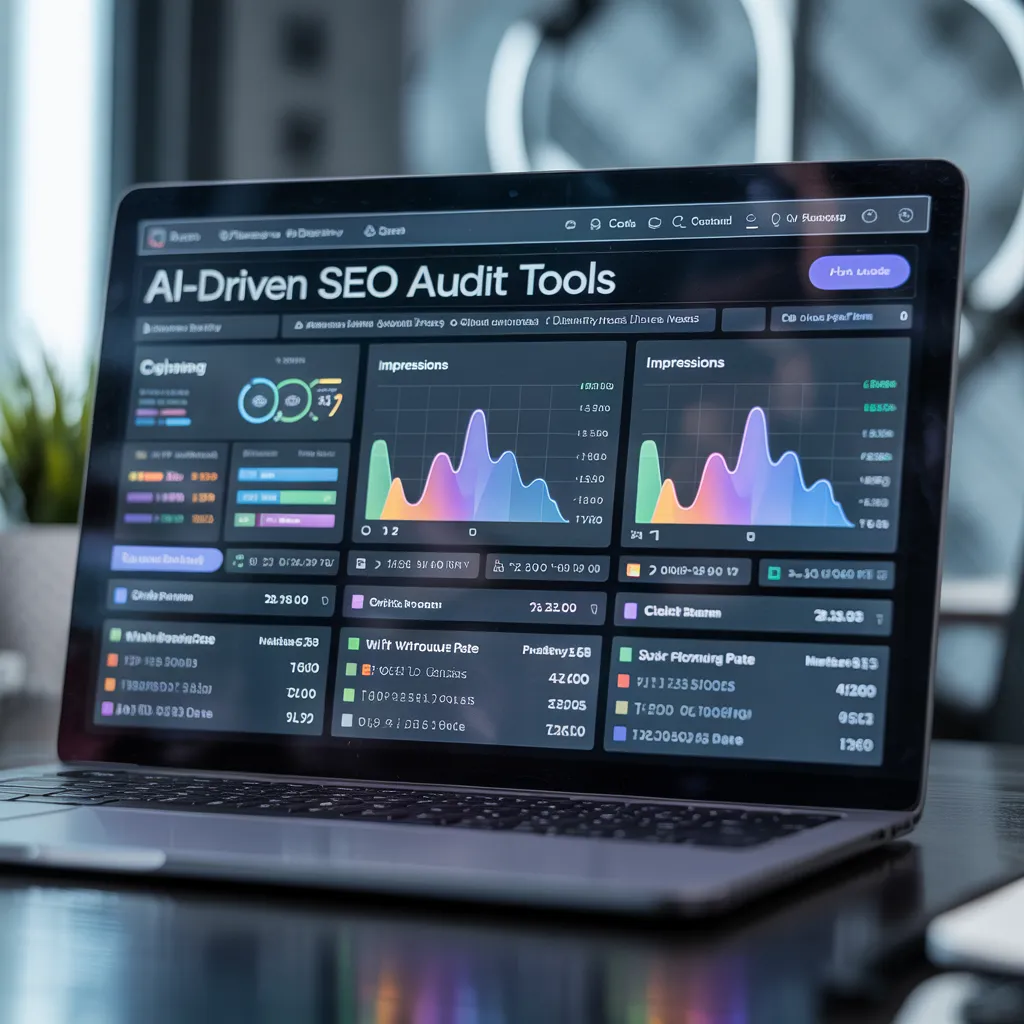
Why Do AI Visibility Audits Matter?
What truly determines the efficacy of AI visibility audits? These audits analyze a brand's online presence, employing advanced algorithms to assess presence across multiple digital channels. By gathering insights from search engines, social networks, and websites, AI visibility audits deliver a detailed overview of how well a brand is represented online. They analyze factors like keyword performance, content relevance, and competitor analysis, offering insights into areas in need of enhancement.
Moreover, these assessments employ machine learning to uncover trends and inconsistencies in user behavior, facilitating well-informed choices. The accuracy of AI technology supports real-time updates and adjustments, confirming that businesses can pivot efficiently to changing market conditions. Ultimately, the effectiveness of AI visibility audits rests in their ability to produce actionable insights, empowering companies to refine their approaches for enhanced visibility and engagement in an ever-growing digital landscape.
Why AI Visibility Audits Boost Your Online Presence
AI visibility audits greatly enhance a company's online visibility by offering data-driven insights that support strategic planning. These audits evaluate a range of metrics, like keyword rankings, site traffic, and user engagement, allowing businesses to pinpoint areas for improvement. By analyzing this data, organizations can strengthen their content and boost their search engine visibility, ultimately attracting more organic traffic.
Furthermore, AI tools can recognize trends and patterns that may go unnoticed using conventional approaches, enabling businesses to maintain a competitive edge. This proactive strategy fosters a highly flexible marketing strategy, enabling companies to adjust rapidly to dynamic shifts in consumer behavior and preferences.
In addition, the practical insights stemming from AI visibility audits equip enterprises to enhance their SEO strategies, creating a stronger web identity. Overall, these audits stand as a key factor in developing and check this preserving a powerful web presence in an ever-growing competitive landscape.
How AI Responds to Search Algorithm Shifts
Artificial intelligence technologies hold a critical position in responding to evolving search algorithm updates through instantaneous data evaluation. By continuously monitoring fluctuations in search parameters, AI can provide insights that help businesses remain competitive. Furthermore, predictive trend intelligence empowers businesses to forecast future developments, guaranteeing they maintain a competitive advantage.
Live Data Analysis
Leveraging real-time data analysis, contemporary digital marketing approaches can swiftly adapt to the ever-evolving world of search engine algorithms. This functionality empowers businesses to monitor changes in user behavior, search trends, and algorithm updates as they occur. AI technologies analyze extensive datasets immediately, providing insights that allow companies to adjust their SEO approaches quickly. By leveraging live performance data, organizations can identify which keywords and content types resonate most effectively with their audience, guaranteeing their continued relevance. Furthermore, this dynamic strategy lowers the likelihood of outdated practices, empowering marketers to focus on results-driven initiatives. In conclusion, live data insights are critical for preserving a strong presence in search results and driving long-term digital success.
Predictive Trend Analytics
Predictive trend analysis plays a critical role in how organizations manage the challenges of search algorithm changes. By leveraging advanced AI analytics, businesses can anticipate shifts in search behavior and algorithm updates. This proactive approach allows businesses to adjust their SEO strategies accordingly, ensuring continued visibility and relevance. AI-powered solutions examine large datasets to detect developing trends, enabling companies to stay ahead of competitors. Additionally, these insights help in optimizing content and keywords tailored to future search patterns. As search technologies develop, organizations armed with predictive analytics are well-prepared to respond quickly, sustaining their positions and improving overall user engagement. At its core, embedding AI-driven predictive analytics into SEO strategies is fundamental for enduring digital achievement.
Essential Metrics to Focus On in Your Visibility Audit
An efficient visibility audit relies on a number of critical metrics that uncover a website's performance in search engine results. First, organic traffic is essential, since it measures the volume of visitors coming from search engines. Next, keyword rankings serve as a benchmark for visibility; monitoring these assists in pinpointing which terms generate traffic and where enhancements are required.
In addition, CTR quantifies how frequently users visit a web page's link in search engine results, showcasing the efficiency of titles and meta descriptions. The bounce rate gives an understanding of user engagement, revealing how many users abandon the site after viewing only one page.
To conclude, domain authority functions as a critical indicator that examines a website's reputation and likelihood of ranking prominently in search engine rankings. By focusing on these measurements, businesses can gain an extensive understanding of their web presence and identify areas for enhancement.
Real-World Results From AI Visibility Audits
AI visibility audits have transformed the way companies evaluate their online performance. By utilizing cutting-edge algorithms, these audits deliver comprehensive insights into site performance, revealing critical areas for improvement. For instance, a mid-sized e-commerce company experienced a 30% rise in organic traffic after acting on insights from their AI visibility audit. This included optimizing keyword targeting and strengthening site architecture.
A further illustration is demonstrated by a regional business who reported a 25% increase in lead acquisition through improved local SEO strategies identified during the audit. The data-driven approach of artificial intelligence visibility audits enables organizations to identify key steps that yield tangible results. Organizations have noted not only better search engine rankings but also increased user interaction and rate of conversions. As organizations progressively integrate digital channels, the practical success examples arising from AI visibility audits underscore their essential role in modern SEO strategies.
Key Steps for Performing an AI Visibility Audit
Executing an AI-driven visibility audit requires a systematic framework to maximize its value. Initially, enterprises should examine their present digital footprint by gathering data from multiple analytics platforms. This includes website engagement data, keyword positions, and user engagement data points. After that, they must pinpoint primary performance metrics (KPIs) that support their targets, such as conversion rates and organic visibility in search results.
After the data is collected, businesses can harness artificial intelligence tools to examine patterns and extract insights. The analysis should concentrate on uncovering key strengths, shortcomings, and improvement opportunities within their SEO approach.
Upon completing the assessment, businesses should produce an detailed document presenting key findings and practical recommendations. Subsequently, applying the recommended changes and consistently tracking performance will confirm that the AI-driven visibility audit stays impactful. By implementing this approach, organizations can enhance their online visibility and drive sustainable growth in a rapidly evolving industry.
Elevate Your SEO Strategy With AI
Revolutionizing a search engine optimization strategy using AI can significantly improve a business's online standing. By leveraging machine learning and advanced algorithms, companies can analyze extensive data to discover trends and insights that human analysis could miss. AI-powered solutions can optimize the selection of keywords, boost content relevance, and tailor plans to target specific demographics more efficiently.
Furthermore, AI elevates the user experience by personalizing content recommendations, increasing engagement, and lowering bounce rates. With real-time analytics, organizations can quickly refine their strategies based on performance metrics, ensuring they remain competitive in a rapidly evolving digital landscape.
Incorporating AI into the SEO framework streamlines processes while also encouraging creative strategies for producing and distributing content. With the continuous evolution of search engines, embracing AI-powered strategies will be critical for companies seeking to preserve their online presence and relevance. Embracing this technological shift positions companies to capitalize on new possibilities within the dynamic landscape of digital marketing.
Common Questions and Answers
How Much Does an AI Visibility Audit Typically Cost?
An AI visibility audit typically costs between $500 and $5,000, according to the intricacy and extent of the review. Elements that affect the cost encompass the size of the website, the depth of the audit, and the specific tools utilized. Businesses may also find that pricing differs according to the experience level of the provider. Ultimately, businesses should consider their unique needs and budget when selecting an appropriate audit service.
How Often Should I Conduct an AI Visibility Audit
AI visibility audits should be performed at least once every six months. This cadence helps organizations keep pace with shifts in algorithms, market dynamics, and competitive environments. Regular audits help identify emerging opportunities and areas needing improvement, ensuring that digital strategies remain effective. Within quickly changing industries, quarterly evaluations may be worthwhile to adapt swiftly to shifts in consumer behavior and technology, optimizing total digital visibility.
Can Small Businesses Benefit From AI Visibility Audits?
Indeed, small business owners can significantly take advantage of AI visibility audits. Such audits deliver clarity regarding online presence, enabling the discovery of strengths and weaknesses. By utilizing AI, smaller companies can analyze competitive approaches, enhance their digital content, and increase search rankings. This evidence-based strategy helps them to make informed decisions, improve interactions with customers, and ultimately generate more business. Overall, AI visibility audits empower small business owners to perform more competitively in the digital marketplace.
What Tools Are Employed in AI Visibility Audits?
AI visibility assessments employ numerous specialized tools to assess digital presence and overall performance. Primary tools consist of search engine optimization software like Ahrefs and SEMrush, which measure keyword rankings and site health. Furthermore, machine learning algorithms evaluate engagement metrics and the relevance of content. Analytics platforms, such as industry-standard tools like Google Analytics, deliver valuable insights into website traffic and behavior. Together, these tools enable businesses to identify strengths and weaknesses, improving their overall digital visibility and strategic planning efforts.
Does Interpreting Audit Results Effectively Require Training?
Absolutely, training is frequently necessary to effectively interpret audit results. Comprehending the intricacies of digital analytics, SEO metrics, and AI-generated findings can be demanding. Experts educated in digital analytics, marketing, or comparable areas are better equipped to understand these results with greater accuracy. Furthermore, proficiency with the dedicated tools applied in audits boosts one's potential to generate informed interpretations, permitting companies to establish data-driven strategies rooted in the outcomes.